Historic Teas, Colonial Recipes, and a Taste of Early America
Oliver Pluff & Company
Oliver Pluff & Company brings the flavors of early America back to life through teas and cacao drinks inspired by historic recipes. From Colonial Bohea and Gunpowder tea to blends tied to the Whiskey Rebellion and other moments in American history, each tin offers more than a warm cup—it offers a chance to experience the tastes and stories of the past.
Shop Oliver Pluff & Company Gift Sets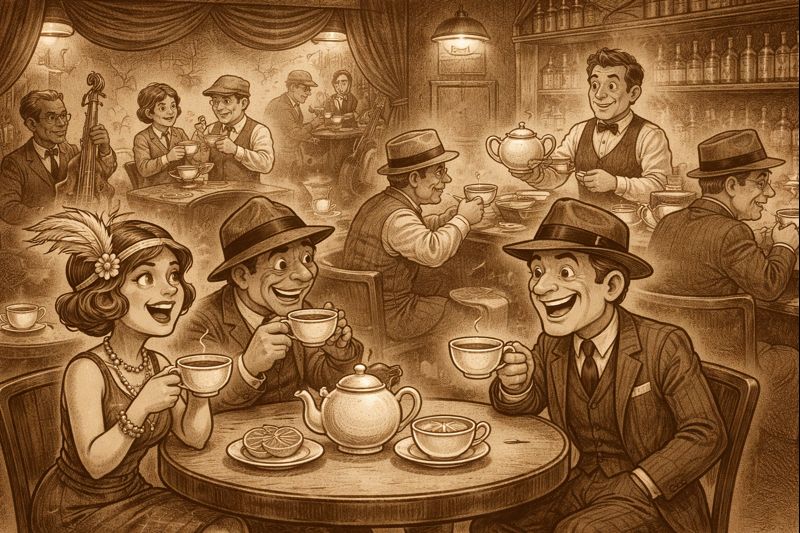
Teas Through the Prohibition Era
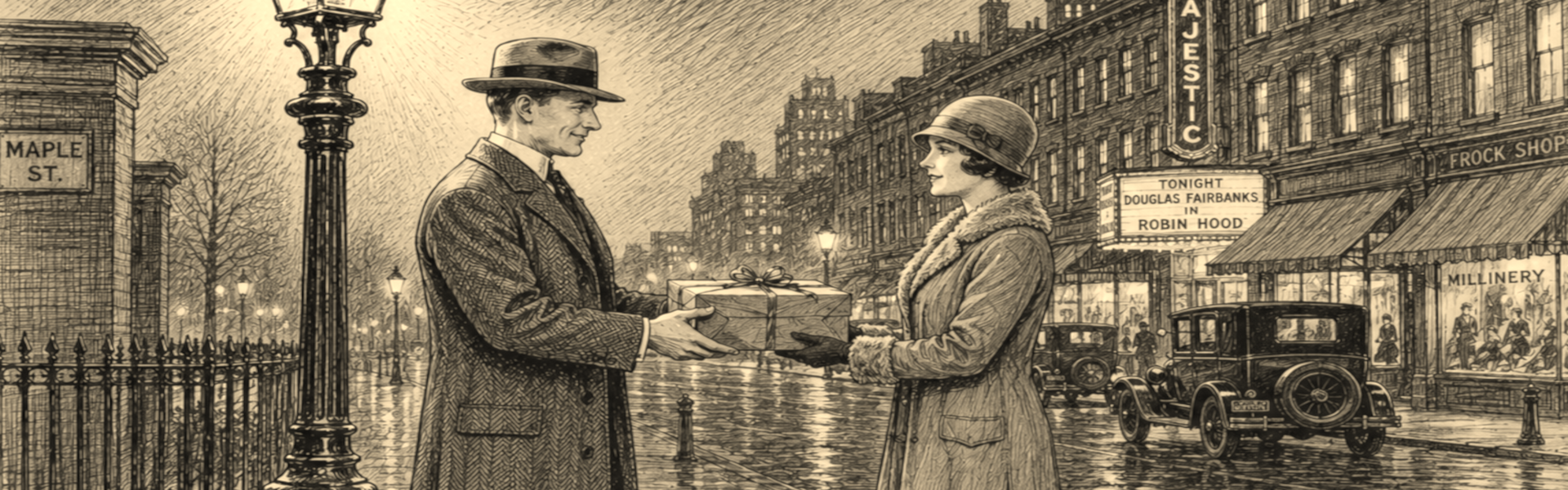
When Prohibition changed what Americans could legally pour, tea remained a constant, quietly present in moments both ordinary and historic. Each Oliver Pluff & Company blend reflects a different side of life during the dry years, from rebellion to reflection.
While headlines focused on raids and speakeasies, most Americans experienced Prohibition at the table, not the bar. Tea was brewed in the morning, shared in the afternoon, and poured again after dinner, serving as a familiar ritual in an unfamiliar time. In homes, boarding houses, parlors, and quiet gatherings, tea offered warmth, conversation, and continuity, proving that even in a decade defined by restriction, simple comforts endured.
Teas Through the Prohibition Era
When Prohibition changed what Americans could legally pour, tea remained a constant, quietly present in moments both ordinary and historic. Each Oliver Pluff & Company blend reflects a different side of life during the dry years, from rebellion to reflection.
While headlines focused on raids and speakeasies, most Americans experienced Prohibition at the table, not the bar. Tea was brewed in the morning, shared in the afternoon, and poured again after dinner, serving as a familiar ritual in an unfamiliar time. In homes, boarding houses, parlors, and quiet gatherings, tea offered warmth, conversation, and continuity, proving that even in a decade defined by restriction, simple comforts endured.
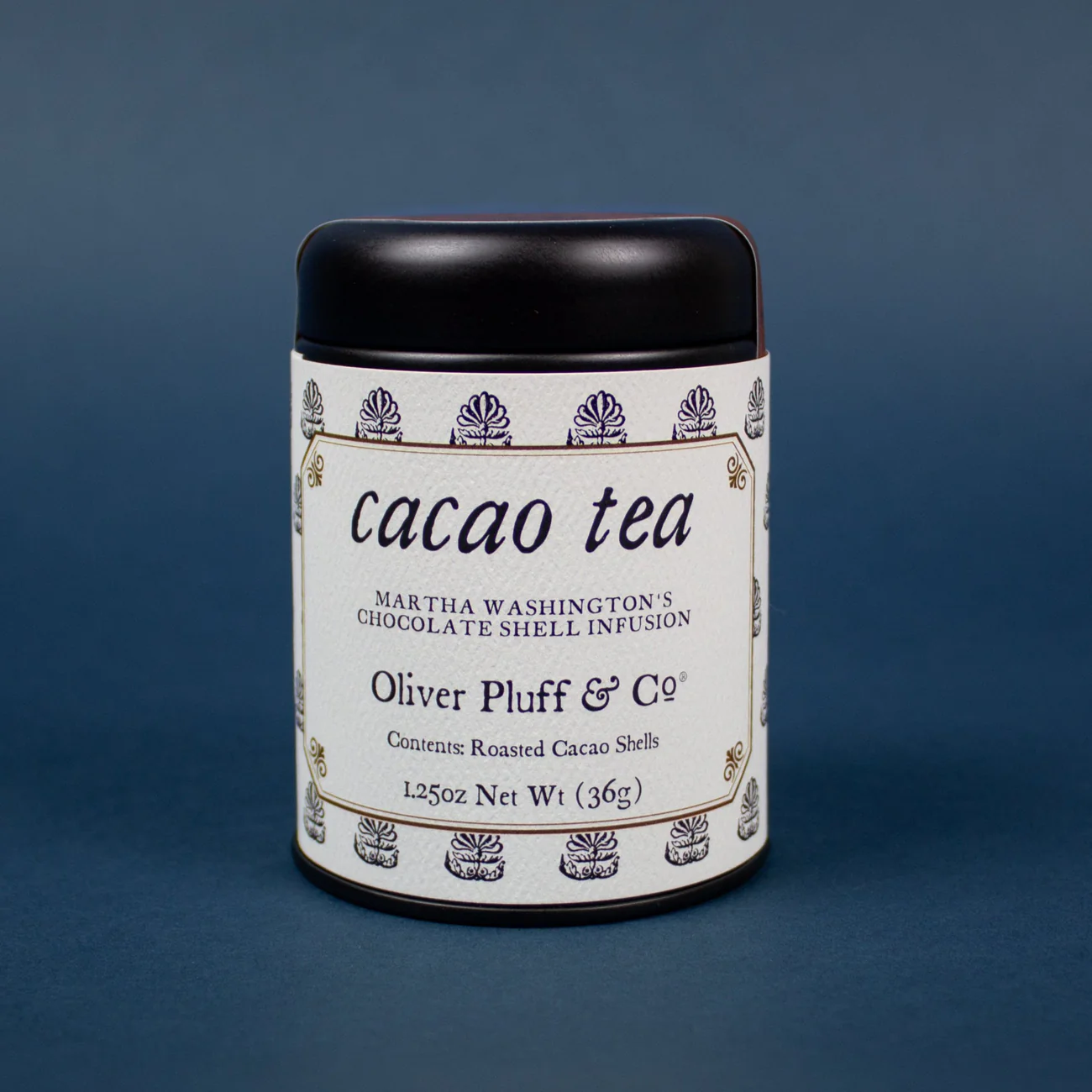
Cacao Shell
Martha Washington enjoyed steeping the shells of roasted cocoa nuts from the cacao tree for the interesting flavor and health benefits.
Sweet, warm, and comforting, Cacao Shell speaks to the softer side of Prohibition. This was the kind of drink enjoyed in the evening, shared with family, offered to guests, or sipped quietly after the lights were low. When alcohol vanished, indulgence didn’t disappear; it simply took new forms, and chocolate-rich comforts filled the gap.
Cacao Shell
Martha Washington enjoyed steeping the shells of roasted cocoa nuts from the cacao tree for the interesting flavor and health benefits.
Sweet, warm, and comforting, Cacao Shell speaks to the softer side of Prohibition. This was the kind of drink enjoyed in the evening, shared with family, offered to guests, or sipped quietly after the lights were low. When alcohol vanished, indulgence didn’t disappear; it simply took new forms, and chocolate-rich comforts filled the gap.
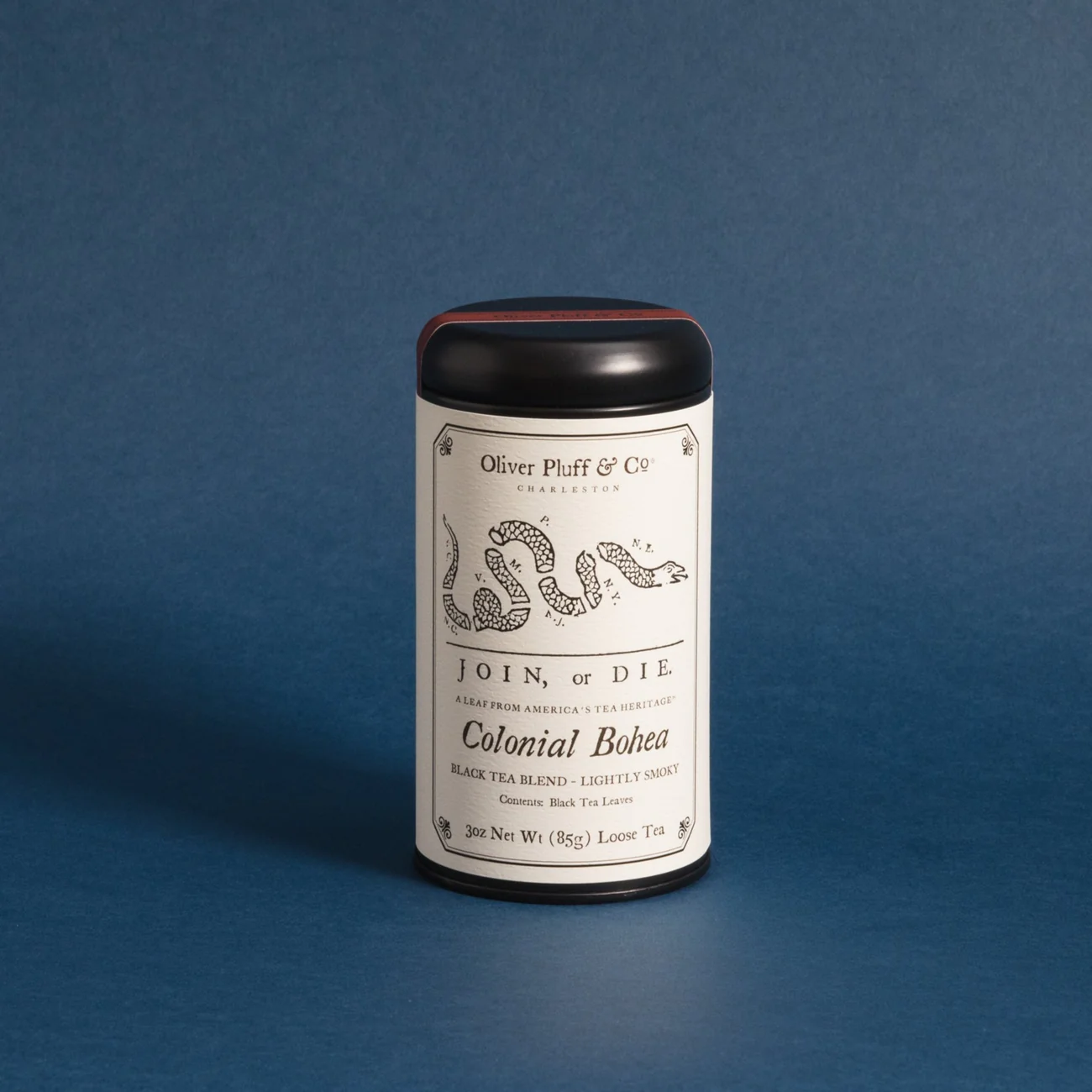
Colonial Bohea
Bohea tea, (pronounced “Boo-hee” - Ukers 510), was by far the largest tea import during colonial times. Sometimes called Bohea Souchong or Lapsang Bohea, the blend originated in China with trade to the British and Dutch East India Companies. It was so popular that the word bohea became the slang term for tea. The blend varied wildly, consisting of broken orange pekoe, pekoe, and souchong dumped in a pile and then sifted, typically the scrap tea of lower quality leaves, but was considered high quality by the colonists.
By the 1920s, Bohea tea had already been part of American life for generations. During Prohibition, it remained a familiar comfort. poured in parlors, boarding houses, and Sunday kitchens. Colonial Bohea represents continuity in a time of upheaval, reminding Americans that some traditions outlasted every amendment and every raid.
Colonial Bohea
Bohea tea, (pronounced “Boo-hee” - Ukers 510), was by far the largest tea import during colonial times. Sometimes called Bohea Souchong or Lapsang Bohea, the blend originated in China with trade to the British and Dutch East India Companies. It was so popular that the word bohea became the slang term for tea. The blend varied wildly, consisting of broken orange pekoe, pekoe, and souchong dumped in a pile and then sifted, typically the scrap tea of lower quality leaves, but was considered high quality by the colonists.
By the 1920s, Bohea tea had already been part of American life for generations. During Prohibition, it remained a familiar comfort. poured in parlors, boarding houses, and Sunday kitchens. Colonial Bohea represents continuity in a time of upheaval, reminding Americans that some traditions outlasted every amendment and every raid.
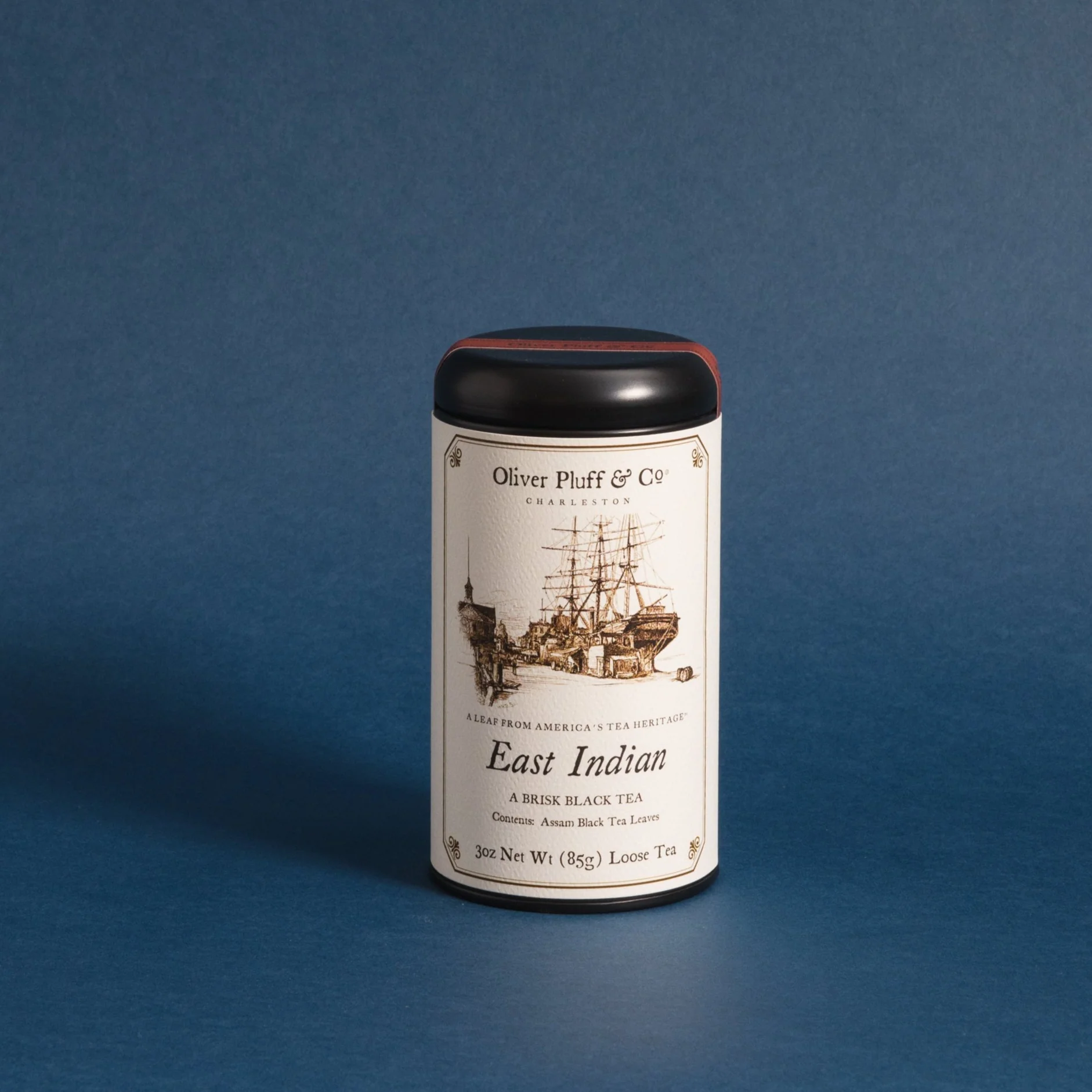
East Indies
A brisk and malty black tea. When the ship Britannia arrived in Charles Town in November, 1774 with seven chests of East Indian tea, Charles Town tea merchants were “induced” to destroy their own tea by breaking open the chests and dumping them overboard into the Cooper River, an event now known as the Charleston Tea Party.
The 1920s were an age of global curiosity and modern travel, even as laws tightened at home. East Indies reflects the era’s fascination with far-off places and imported goods, served by hosts eager to offer something refined and worldly without risking a visit from the authorities. It was the taste of sophistication when champagne was off the menu.
East Indies
A brisk and malty black tea. When the ship Britannia arrived in Charles Town in November, 1774 with seven chests of East Indian tea, Charles Town tea merchants were “induced” to destroy their own tea by breaking open the chests and dumping them overboard into the Cooper River, an event now known as the Charleston Tea Party.
The 1920s were an age of global curiosity and modern travel, even as laws tightened at home. East Indies reflects the era’s fascination with far-off places and imported goods, served by hosts eager to offer something refined and worldly without risking a visit from the authorities. It was the taste of sophistication when champagne was off the menu.
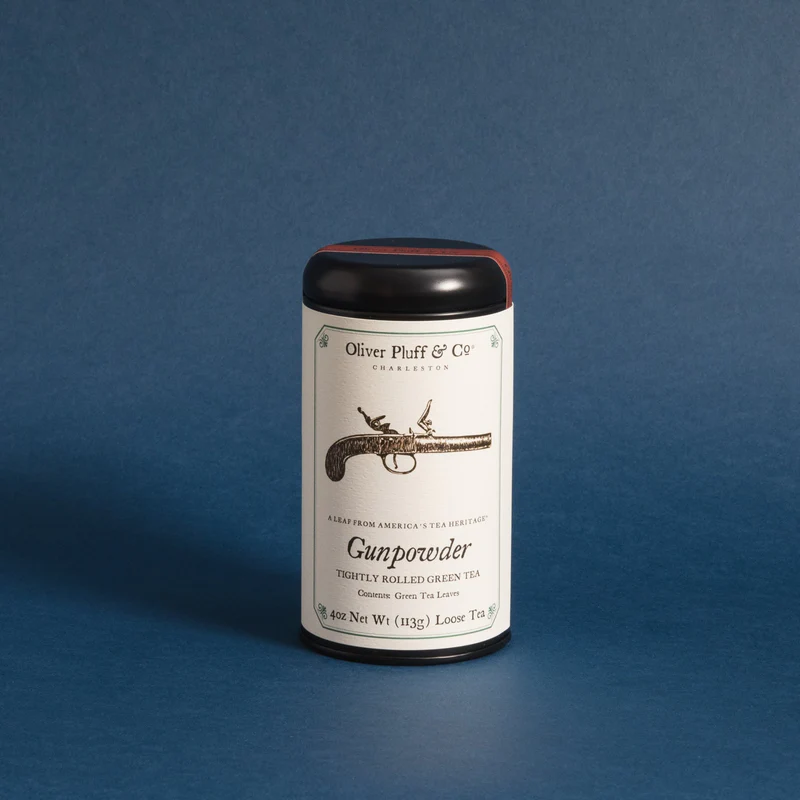
Gunpowder
Lightly roasted and tightly rolled green tea. Named due to its similar appearance to actual gunpowder. Refreshing lemon and light vegetable flavor of green tea. An excellent green tea for everyday brewing. Witness the "agony of the tea leaf" as the tightly rolled leaves fitfully unfurl to fully expand in hot water. In 18th century British America, tea was an expensive, exotic import, first popular with more wealthy colonists, then with the middle classes as well. According to mercantile records, various grades of gunpowder tea were a common import to America.
Named for its bold, tightly rolled green tea leaves, Gunpowder mirrors the tension of the times. This was the tea of late nights and hushed conversations; brewed strong while listening for footsteps outside or debating whether a knock was a neighbor or a federal agent. Sharp, alert, and unmistakably powerful, it suited a decade that never fully relaxed.
Gunpowder
Lightly roasted and tightly rolled green tea. Named due to its similar appearance to actual gunpowder. Refreshing lemon and light vegetable flavor of green tea. An excellent green tea for everyday brewing. Witness the "agony of the tea leaf" as the tightly rolled leaves fitfully unfurl to fully expand in hot water. In 18th century British America, tea was an expensive, exotic import, first popular with more wealthy colonists, then with the middle classes as well. According to mercantile records, various grades of gunpowder tea were a common import to America.
Named for its bold, tightly rolled green tea leaves, Gunpowder mirrors the tension of the times. This was the tea of late nights and hushed conversations; brewed strong while listening for footsteps outside or debating whether a knock was a neighbor or a federal agent. Sharp, alert, and unmistakably powerful, it suited a decade that never fully relaxed.
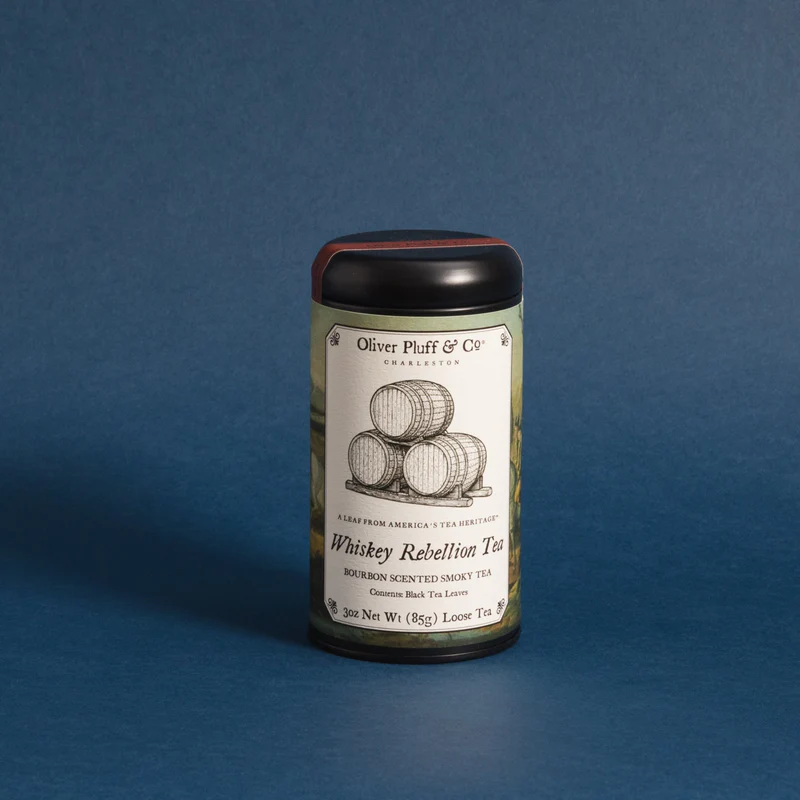
Whiskey Rebellion
In the summer of 1794, President George Washington called out 12,950 militia to subdue violent protests by so called 'Whiskey Rebels' in Western Pennsylvania. The Rebels were farmers and whiskey distillers protesting taxes imposed on distilled spirits. The call out of the militia dispersed most of the protesters, and secured the new government's authority.
Long before Prohibition, Americans had already fought over what they were allowed to drink, and that spirit of defiance never disappeared. During the 1920s, this blend evokes the quiet rebellion of households that refused to let the government dictate every tradition. Sipped while reading the evening paper or discussing politics at the kitchen table, Whiskey Rebellion honors the stubborn independence that fueled both past uprisings and Prohibition-era resistance.
Whiskey Rebellion
In the summer of 1794, President George Washington called out 12,950 militia to subdue violent protests by so called 'Whiskey Rebels' in Western Pennsylvania. The Rebels were farmers and whiskey distillers protesting taxes imposed on distilled spirits. The call out of the militia dispersed most of the protesters, and secured the new government's authority.
Long before Prohibition, Americans had already fought over what they were allowed to drink, and that spirit of defiance never disappeared. During the 1920s, this blend evokes the quiet rebellion of households that refused to let the government dictate every tradition. Sipped while reading the evening paper or discussing politics at the kitchen table, Whiskey Rebellion honors the stubborn independence that fueled both past uprisings and Prohibition-era resistance.
A Little History on Oliver Pluff & Company
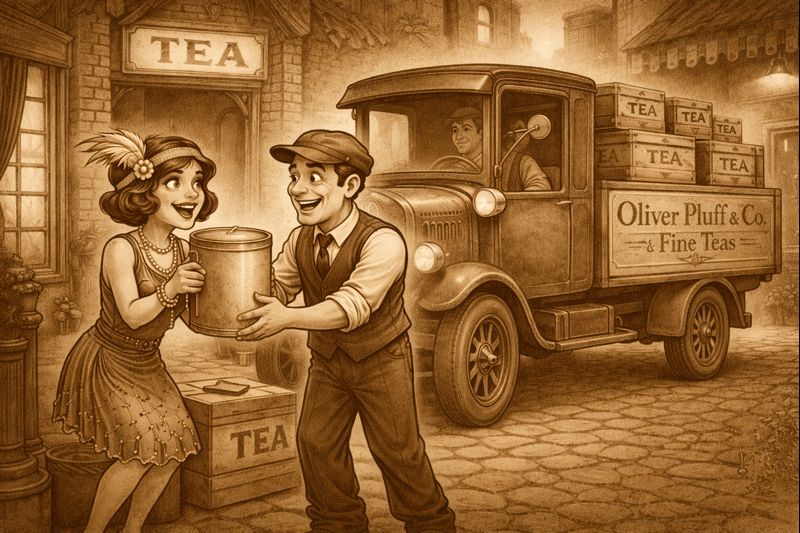
Oliver Pluff & Company is known for bringing American tea history back to the table. Founded with a focus on historically inspired blends, the company draws from colonial-era recipes, early American trade routes, and traditional tea styles that shaped how tea was enjoyed in the United States long before modern brands existed.
Rather than chasing trends, Oliver Pluff & Company looks backward, reviving teas that would have been familiar in 18th- and 19th-century America, when tea was both a daily staple and a symbol of culture, commerce, and independence. Their blends often reference pivotal moments in American history, from colonial resistance and global trade to the rituals of everyday life that carried on through changing times.
A Little History on Oliver Pluff & Company
Oliver Pluff & Company is known for bringing American tea history back to the table. Founded with a focus on historically inspired blends, the company draws from colonial-era recipes, early American trade routes, and traditional tea styles that shaped how tea was enjoyed in the United States long before modern brands existed.
Rather than chasing trends, Oliver Pluff & Company looks backward, reviving teas that would have been familiar in 18th- and 19th-century America, when tea was both a daily staple and a symbol of culture, commerce, and independence. Their blends often reference pivotal moments in American history, from colonial resistance and global trade to the rituals of everyday life that carried on through changing times.
Gift Sets with Teas
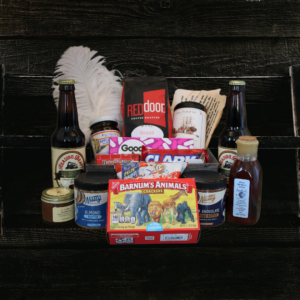
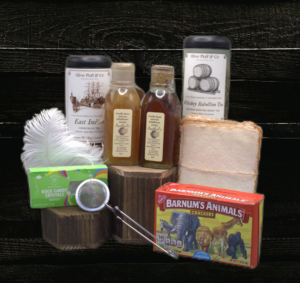
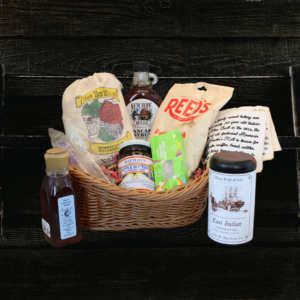
At Gift With a Story, we pair Oliver Pluff & Company teas with Prohibition-inspired gift sets to capture these moments, rebellion, tension, comfort, and connection, one cup at a time. When the bottles went underground, the kettle stayed on.