ChatGPT Image Nov 2, 2025, 01_45_26 PM

The Colonial Tea Contraband Collection

ChatGPT Image Nov 2, 2025, 02_09_58 PM

Inspired by the secretive charm of hidden parlors and back-room gatherings, The Colonial Tea Contraband Collection brings together the refined flavors of early American tea culture with a playful nod to the Prohibition era. This beautifully curated gift set features two premium tea tins from Oliver Puff & Company, whose blends are crafted from carefully researched Colonial-period recipes—echoing the very brews once shared in taverns, tearooms, and quiet drawing rooms across the colonies.

To sweeten the experience, the collection includes two glass Muth jars of raw honey from Awcklands Honey—a timeless, apothecary-style presentation that feels right at home in both Colonial cupboards and speakeasy shelves alike. A classic tea strainer and raw sugar crystals complete the set, inviting slow, intentional preparation that feels every bit as luxurious as it is historical.

Perfect for history lovers, tea enthusiasts, and anyone who appreciates a sip of nostalgia, this gift set weaves together the taste of Colonial America with the intrigue of Prohibition-era “contraband”—because some traditions are just too good to keep quiet.

Image Product Quantity

Oliver Pluff & Company

Included - Choose a tea flavor below
Not sure of flavor? View details on right

1

Oliver Pluff & Company

Included - Choose a tea flavor below
Not sure of flavor? View details on right

1

Awckland's Honey

Included - Choose a honey flavor below
Not sure of flavor? View details on right

1

Awckland's Honey

Included - Choose a honey flavor below
Not sure of flavor? View details on right

1

Prohibition Candle

Optional Add-On Prohibition Candle

1

Rebellion Mug

Optional Add-On Rebellion Mug

1

Story

Optional Story - no cost

1
Prohibition Crates

Oliver Pluff & Company offers beautifully crafted Colonial-era teas, blending history and flavor in every cup. In this gift set, you choose two of their timeless tea varieties to enjoy and savor.

Awkland’s Honey is small-batch and beautifully rich, bringing pure, natural sweetness straight from the hive. In this gift set, you choose two delicious honey flavors to enjoy.


Rock Candy Crystals are perfect for tea—slow-dissolving sugar that sweetens your drink evenly while adding a hint of nostalgic charm.


Animal crackers add a playful touch to any tea gift set. They pair beautifully with a warm cup of tea, making each sip feel a little more nostalgic and cozy.


Tea Strainer is the perfect companion for loose-leaf blends, offering a clean, flavorful steep every time. It’s a charming and practical addition to any tea-lover’s gift set.

Oliver Puff & Company

Oliver Puff & Company is known for reviving the flavors of early America through carefully researched tea, coffee, and toddy recipes inspired by the Colonial period. Drawing from historic ledgers, journals, and traditional brewing methods, their blends celebrate the tastes enjoyed in taverns and parlors across the colonies. This connection to America’s spirited past makes Oliver Puff & Company a natural fit for a Prohibition-themed gift set—where the nostalgia of hidden speakeasies and secret recipes meets the authenticity of time-honored Colonial traditions, offering a taste of history in every cup.

Martha Washington enjoyed steeping the shells of roasted cocoa nuts from the cacao tree for the interesting flavor and health benefits.


Sweet, warm, and comforting, Cacao Shell speaks to the softer side of Prohibition. This was the kind of drink enjoyed in the evening—shared with family, offered to guests, or sipped quietly after the lights were low. When alcohol vanished, indulgence didn’t disappear; it simply took new forms, and chocolate-rich comforts filled the gap.

Bohea tea, (pronounced “Boo-hee” - Ukers 510), was by far the largest tea import during colonial times. Sometimes called Bohea Souchong or Lapsang Bohea, the blend originated in China with trade to the British and Dutch East India Companies. It was so popular that the word bohea became the slang term for tea. The blend varied wildly, consisting of broken orange pekoe, pekoe, and souchong dumped in a pile and then sifted, typically the scrap tea of lower quality leaves, but was considered high quality by the colonists.


By the 1920s, Bohea tea had already been part of American life for generations. During Prohibition, it remained a familiar comfort—poured in parlors, boarding houses, and Sunday kitchens. Colonial Bohea represents continuity in a time of upheaval, reminding Americans that some traditions outlasted every amendment and every raid.

A brisk and malty black tea. When the ship Britannia arrived in Charles Town in November, 1774 with seven chests of East Indian tea, Charles Town tea merchants were “induced” to destroy their own tea by breaking open the chests and dumping them overboard into the Cooper River, an event now known as the Charleston Tea Party.


The 1920s were an age of global curiosity and modern travel, even as laws tightened at home. East Indies reflects the era’s fascination with far-off places and imported goods—served by hosts eager to offer something refined and worldly without risking a visit from the authorities. It was the taste of sophistication when champagne was off the menu.

Lightly roasted and tightly rolled green tea. Named due to its similar appearance to actual gunpowder. Refreshing lemon and light vegetable flavor of green tea. An excellent green tea for everyday brewing. Witness the "agony of the tea leaf" as the tightly rolled leaves fitfully unfurl to fully expand in hot water. In 18th century British America, tea was an expensive, exotic import, first popular with more wealthy colonists, then with the middle classes as well. According to mercantile records, various grades of gunpowder tea were a common import to America.


Lightly roasted and tightly rolled green tea. Named due to its similar appearance to actual gunpowder. Refreshing lemon and light vegetable flavor of green tea. An excellent green tea for everyday brewing. Witness the "agony of the tea leaf" as the tightly rolled leaves fitfully unfurl to fully expand in hot water. In 18th century British America, tea was an expensive, exotic import, first popular with more wealthy colonists, then with the middle classes as well. According to mercantile records, various grades of gunpowder tea were a common import to America.

Named for its bold, tightly rolled green tea leaves, Gunpowder mirrors the tension of the times. This was the tea of late nights and hushed conversations—brewed strong while listening for footsteps outside or debating whether a knock was a neighbor or a federal agent. Sharp, alert, and unmistakably powerful, it suited a decade that never fully relaxed.

In the summer of 1794, President George Washington called out 12,950 militia to subdue violent protests by so called 'Whiskey Rebels' in Western Pennsylvania. The Rebels were farmers and whiskey distillers protesting taxes imposed on distilled spirits. The call out of the militia dispersed most of the protesters, and secured the new government's authority.


Long before Prohibition, Americans had already fought over what they were allowed to drink—and that spirit of defiance never disappeared. During the 1920s, this blend evokes the quiet rebellion of households that refused to let the government dictate every tradition. Sipped while reading the evening paper or discussing politics at the kitchen table, Whiskey Rebellion honors the stubborn independence that fueled both past uprisings and Prohibition-era resistance.

Read More

Awckland’s Honey

Awckland’s Honey is crafted in small batches by a family-run apiary in Pennsylvania, where every jar begins with bees working local wildflowers and farmlands. Their honey is raw and minimally processed, preserving the natural flavor, aroma, and golden color that only true local honey can offer. Each harvest reflects the season and landscape, giving every jar its own subtle character and richness.


From morning toast and tea to baking, charcuterie boards, and gourmet gifting, Awckland’s Honey brings warmth and authenticity to the table. Made with care, tradition, and pride, it’s more than just honey—it’s a taste of place, thoughtfully produced and meant to be enjoyed, shared, and savored.

Back in the hush-hush days of Prohibition, when the good stuff had to be kept under the counter and passed along with a wink, there was another kind of contraband quietly making the rounds — golden, velvety Basswood Clover Honey. Smooth as a speakeasy jazz tune and light as a flapper’s laugh, this honey pours like liquid sunshine, with a soft floral sweetness and just a hint of mint drifting through — the sort of refined flavor the bootleggers saved for themselves.


Legend has it the bees worked secret fields of basswood blossoms and summer clover, tucked away where no revenuers would think to look. And what they created wasn’t just honey — it was a whisper of rebellion in a jar. Clean. Delicate. Almost dangerously good.


Drizzle it into your tea, swirl it over warm biscuits, or pair it with a sharp cheese like a smooth-talking gangster with a soft side. However you enjoy it, just remember — back in 1926, this kind of sweetness wasn’t served loud. It was shared after dark, behind locked doors… and only with people you trusted.


Because some things — like good jazz, good company, and honest honey — were always worth bending the rules for.

In the heart of the Roaring Twenties, when spirits were dry and alleyway deals whispered of forbidden pleasures, there was another treasure worth smuggling — Maine Blueberry Honey. Born from the wild blueberry barrens of the Pine Tree State, this honey bears a blush like a hidden flapper’s rouge and a flavor that dances between tart berry and rich floral sweetness.


Pure and deep-colored as a moonlit berry patch, it tastes like the memory of summer on your tongue. Rumor has it the bees that made it worked fields where the blueberry blooms stretched farther than a rum-runner’s grin, and their honey was coveted by those who understood the finer contraband in life. It wasn’t moonshine, but to true aficionados? It was just as irresistible.


Drizzle it over warm cornbread, stir it into strong black coffee like you’re sweetening up a cold speakeasy morning, or pair it with a wedge of sharp cheddar — a combo that might’ve had even the toughest G men loosening their ties. This is honey with character — wild, bold, and worth getting caught with.


Because when the law says “no,” the taste that makes you say “yes” — that’s the real prohibition.

When the law said “dry” and every joint with a piano felt like a gamble, there was one kind of sweetness that didn’t stay locked up — Japanese Knotweed Honey. Bold, golden, and fierce enough to make a bootlegger grin, this honey comes from the untamed blooms of knotweed fields — the kind of places where poets whispered secrets and rum-runners waited for nightfall.


With a rich, spicy sweetness and a hint of earthy complexity, it’s the honey you’d sip by candlelight while jazz sputtered from a gramophone in the next room. Some called it wild; others called it dangerous. But all agreed — once you tasted it, you’d go back for another drop.


Drizzle it over sharp cheddar like you’re livin’ on the edge, stir it into strong black coffee for a morning hangover cure, or let it kiss your cornbread warm from the oven. Whatever you do, don’t let the law hear about it — this honey’s too good for polite company.


Because in a world of secrets and shadows, the sweetest joys were always a little bit illicit.

In the shadowy days of Prohibition, when every teacup might’ve been hiding something stronger, there was a sweetness whispered about only in back rooms and cellar doors — Lanternfly Honeydew Honey. Not your prim, respectable floral honey. No, this was the outlaw of the honey world — born not from petals, but from the sticky-sweet honeydew left behind on tree sap by those flashy little rogues, the lanternflies.


The bees knew a good score when they found one. They gathered it up under moonlight, turning scandal into something dark, complex, and dangerously smooth. The result? A deep amber elixir with notes of toasted caramel, dried fruit, and a hint of malty mischief — the kind of flavor that lingers like a jazz tune after midnight.


It was the honey you didn’t brag about in polite company… but you passed quietly to friends who understood. Drizzle it on warm bread in the glow of a single bulb, stir it into your “tea” at the speakeasy, or pair it with a bold cheese and a bolder story.


Sure, it came from trouble — but in 1926, so did most of the good things.


Because sometimes the sweetest rebellion comes from the most unlikely places.

During the dry days of Prohibition, when spirits were outlawed but spirits still needed lifting, there was one sweetness they couldn’t keep under lock and key — Orange Blossom Honey. The bees worked the groves like quiet bootleggers in broad daylight, slipping nectar from fragrant orange blossoms and turning it into a golden liquor of pure sunshine.


Light, floral, and bright as a flapper’s smile at high noon, this honey carries whispers of citrus zest and warm summer breezes through lace-curtained windows. One spoonful and you’d swear you heard a jazz band warming up somewhere down the block.


The smart ones served it “respectably” — in tea cups, on biscuits, drizzled over fresh fruit — but everyone knew it was secretly bottled happiness. Sweet enough for afternoon tea with Mother… yet spirited enough to pass around after midnight when the gramophone crackled and the lights were low.


Because even in the toughest times, a little sweetness had a way of finding you.

In the hush-hush years of Prohibition, when the best things in life came with a knock and a password, there was one honey spoken of in reverent whispers — Tupelo Honey. Drawn from the pale blossoms of the white tupelo trees that haunt the Southern riverbanks, this honey wasn’t just sweet — it was silk in a jar. Smooth. Golden. Practically criminal.


Bootleggers might’ve run whiskey, but the real connoisseurs traded in Tupelo — a honey so mellow and buttery it slid across the tongue like a jazz saxophone after midnight. With notes of vanilla cream and wildflower perfume, it lingered just long enough to make you wonder what law you’d be willing to break for another taste.


It was the kind of sweetness you poured slowly — into coffee hidden in teacups, over warm biscuits in the back room, or drizzled across cheese and crackers during quiet gatherings where the blinds stayed drawn. No granulation. No harsh edges. Just pure, golden charm — the gentleman gangster of the honey world.


In a decade that tried to outlaw pleasure, Tupelo Honey reminded folks that some luxuries slip past every line of law and logic.


Because true elegance doesn’t shout.
It glows — softly, irresistibly — like honey at lamplight.

Back when the country went “dry” but nobody’s appetite for indulgence ever did, there was one sweet pleasure whispered about behind closed doors — Vanilla-Infused Honey. This wasn’t your everyday pantry drizzle. This was elegance in disguise — golden honey quietly steeped with real vanilla bean, smuggling warmth and sophistication into every illicit spoonful.


It poured slow, like a Sinatra note before its time — soft, creamy, and impossibly smooth. Hints of caramel. A whisper of custard. The kind of sweetness that didn’t shout… it leaned in close and spoke low, like a well-dressed gentleman in a shadowed booth.


Respectable folks served it demurely on toast or in tea. But the real insiders drizzled it over pastries after midnight, let it melt into strong coffee, or paired it with cheese in back rooms where jazz curled through the air like smoke. It wasn’t illegal — but it felt like it should’ve been.


Because Vanilla-Infused Honey wasn’t just a flavor.
It was a mood.
Soft. Romantic. A little dangerous. And worth savoring slowly.


In an age of secrets, this was the sweet nobody rushed.

Back in the days when the law tried to dry up every drop of joy, there were still quiet valleys where the good things kept blooming — places like the Upper Perkiomen Valley. Tucked between rolling farms and whispering woods, the bees minded no legislation at all. They roamed from clover to thistle to meadow bloom, gathering nectar in secret like little winged bootleggers — and what they made became known, quietly, as Upper Perk Valley Wildflower Honey.


Golden as a farm-kitchen sunrise and fragrant as summer after rain, this honey carries the taste of the countryside itself — a bouquet of sweet blossoms, fields of grass, and the gentle hum of the valley at peace. Every jar is a snapshot of the season, a little unpredictable, a little rustic, and entirely honest. The kind of sweetness you’d find passed from neighbor to neighbor, wrapped in brown paper and trust.


Folks stirred it into tea served in respectable china… or in “tea” served after midnight when the curtains were drawn. They drizzled it over cornbread still warm from the oven, spooned it into oatmeal before the sun came up, and saved the last bit for someone special.


Because no matter what the headlines said, the bees kept working, the flowers kept blooming, and the Upper Perk Valley kept its sweetness — steady, humble, and just rebellious enough to survive the times.


Some contraband was loud.
This one just tasted like home.

Read More

Oliver Puff & Company

Oliver Puff & Company is known for reviving the flavors of early America through carefully researched tea, coffee, and toddy recipes inspired by the Colonial period. Drawing from historic ledgers, journals, and traditional brewing methods, their blends celebrate the tastes enjoyed in taverns and parlors across the colonies. This connection to America’s spirited past makes Oliver Puff & Company a natural fit for a Prohibition-themed gift set—where the nostalgia of hidden speakeasies and secret recipes meets the authenticity of time-honored Colonial traditions, offering a taste of history in every cup.

Read More

Awckland’s Honey

Awckland’s Honey is crafted in small batches by a family-run apiary in Pennsylvania, where every jar begins with bees working local wildflowers and farmlands. Their honey is raw and minimally processed, preserving the natural flavor, aroma, and golden color that only true local honey can offer. Each harvest reflects the season and landscape, giving every jar its own subtle character and richness.


From morning toast and tea to baking, charcuterie boards, and gourmet gifting, Awckland’s Honey brings warmth and authenticity to the table. Made with care, tradition, and pride, it’s more than just honey—it’s a taste of place, thoughtfully produced and meant to be enjoyed, shared, and savored.

Read More

Create a Gift with a Story

Not Just a Box

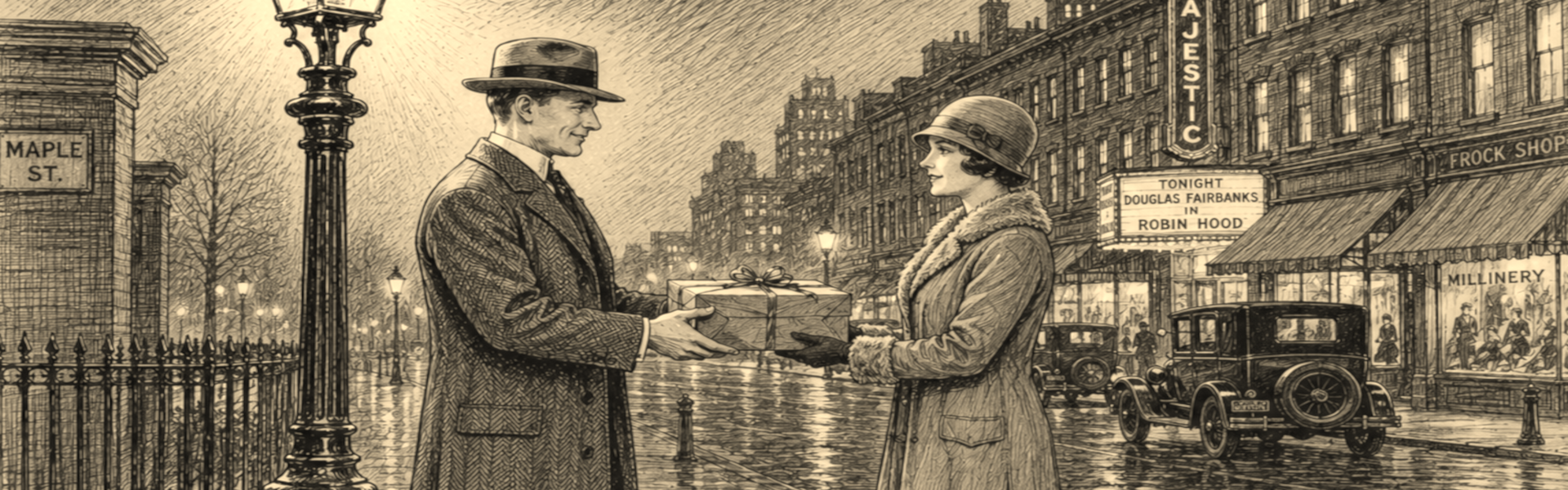
Whether you're celebrating a birthday, anniversary, graduation, sending sympathy, saying “get well soon,” or just letting someone know you're thinking of them, every gift from us becomes a fully curated experience. You choose the occasion, and we pair it with a custom Prohibition-inspired narrative that turns your gift set into a story—complete with themed language, era-style details, and a touch of 1920s mystery and charm.


Instead of a standard gift message, your recipient receives a personalized “secret delivery” note written as if it came from the hidden corners of a speakeasy…the backroom of a bootlegger’s shop…or a hush-hush courier who knew how to keep things quiet during the dry years of Prohibition.

  • It’s not just a present
  • It’s a moment
  • A smile
  • A little time-travel surprise tucked inside every box

You pick the occasion.
We deliver the experience—Prohibition style.

Set the mood of a secret speakeasy with the warm glow of our prohibition-inspired candle. Designed to capture the atmosphere of the 1920s underground scene, its subtle, smoky-sweet scent evokes hidden jazz clubs, aged whiskey barrels, and whispered conversations behind closed doors.


Adding this candle to your basket transforms it from a collection of local treasures into a full prohibition experience—one that delights the senses, stirs the imagination, and turns any evening into a moment of rebellion and indulgence.

During Prohibition, "the cat's meow" was a term used to describe something or someone that was the best, most stylish, or most impressive—often used to refer to a person, event, or even a beloved item that stood out above the rest. In the Roaring Twenties, when flappers, jazz, and speakeasies dominated the scene, being called "the cat's meow" was the ultimate compliment, signaling that you were at the height of cool.

Now, you can enjoy the gin-scented candle that’s truly the cat's meow! Available in either a rocks glass or mini mason jar, this candle captures the crisp, refreshing aroma of gin, bringing the spirit of Prohibition to life in your space. Hopefully, you can enjoy the intoxicating gin scent without the risk of being raided—just like those sneaky, rebellious nights in a secret speakeasy. Light it up, sit back, and relish in the timeless charm of a truly unforgettable fragrance.

During Prohibition (1920–1933), "Gasper" was a slang term used to refer to a cigarette. The term was popularized among people involved in the underground or "bootlegging" scene, which often included speakeasy patrons and those evading the law.

As a result of Prohibition, many speakeasies and secret bars became havens for not just alcohol but also for other acts of rebellion and subculture, and smoking a "gasper" became part of the overall atmosphere of defiance.

In addition to being used to refer to cigarettes, "gasper" could also occasionally be heard in some areas referring to a swig of alcohol, particularly when the drink was of lower quality. The association with cigars and cigarettes further cemented the sense of rebellion against the restrictive social laws of the time.

So, while "gasper" was mainly a cigarette, the word carried with it a bit of the rebellious spirit of the Prohibition era.

In today’s world, "giggle water" may seem like a quirky and nonsensical term, but during Prohibition, it was very much a part of the vocabulary. Giggle water was a playful slang term for alcohol, especially the kind being secretly served in speakeasies during the 1920s. With the country’s ban on alcohol, people resorted to calling it "giggle water" as a cheeky nod to the effects it had—loosening tongues, making people laugh, and lowering inhibitions. The term became a symbol of rebellion, as folks enjoyed their "giggle water" in hidden bars, knowing every sip was a small act of defiance against the law.

Now, you can experience the scent of giggle water—aka a refreshing mojito—and be transported back to the Roaring Twenties! This candle, available in either a rocks glass or mini mason jar, captures the essence of that Prohibition-era rebellion, with the crisp, invigorating aroma of mint and rum. But act fast—sip your "giggle water" and enjoy the moment before the feds come knocking, ready to raid your hidden speakeasy.

Step back in time with this Whiskey-Scented Candle or Wax Melt, available in a Rocks Glass or Mini Mason Jar. The rich, smoky aroma of aged whiskey fills the air, whisking you away to the days of Prohibition. Imagine the warmth and depth of a perfectly poured drink in a crystal-clear rocks glass, as the flickering candlelight casts shadows reminiscent of a hidden speakeasy. The hum of hushed conversations, clinking glasses, and the soft notes of oak and vanilla mingle with the bold, amber whiskey scent, transporting you to a world where every sip was an act of defiance and every moment felt like a thrilling escape. Let this candle set the mood and carry you to a time when rebellion was in the air and whiskey was a precious, secret indulgence.

With the flickering flame casting shadows across the walls, you can almost hear the faint sound of footsteps approaching—federal agents on the prowl, their raid imminent. Yet, for now, you remain in the safety of the underground bar, savoring the essence of a time when whiskey was more than a drink—it was a symbol of defiance, camaraderie, and an era that refused to go quietly into the night.

This whiskey-scented candle isn’t just a fragrance; it’s an experience. Perfect for anyone who loves the spirit of adventure and the allure of a hidden world from the Roaring Twenties. Let the scent of whiskey in a rocks glass or mini mason jar transport you to a place where the only thing stronger than the drink was the resolve to keep it flowing.

Read More
This is the default Tab content. Feel free to delete it.

Psst… You Might Also Fancy These