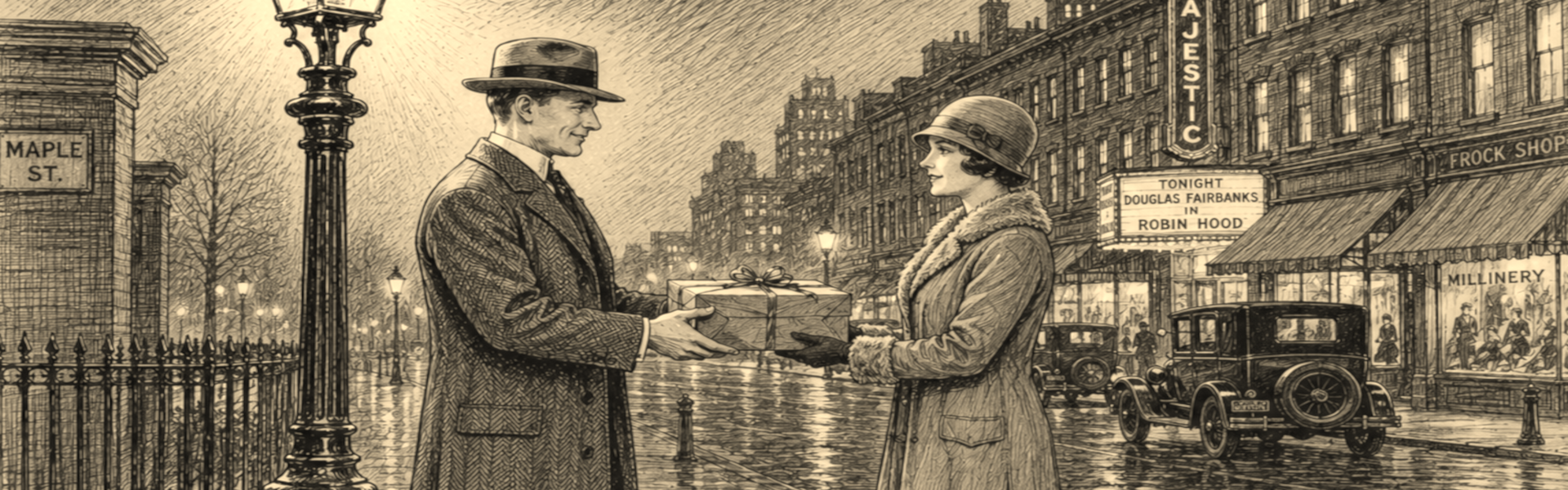
A Taste of the Sweet Side of Prohibition
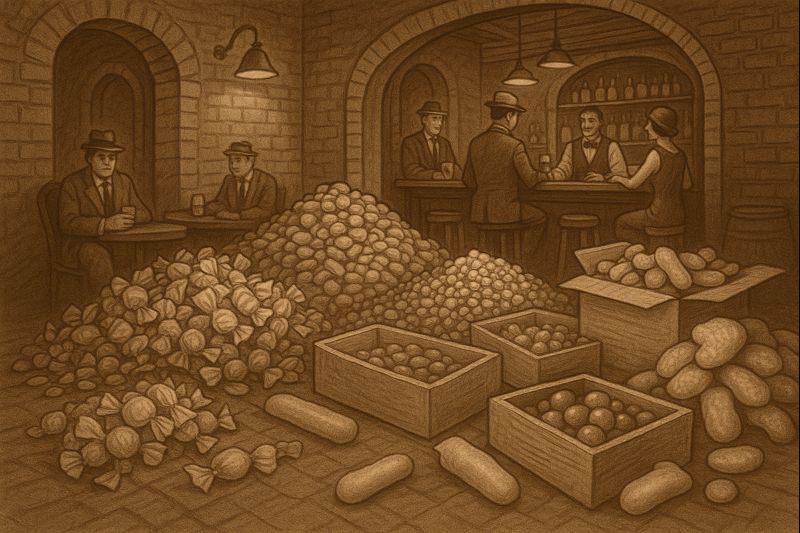
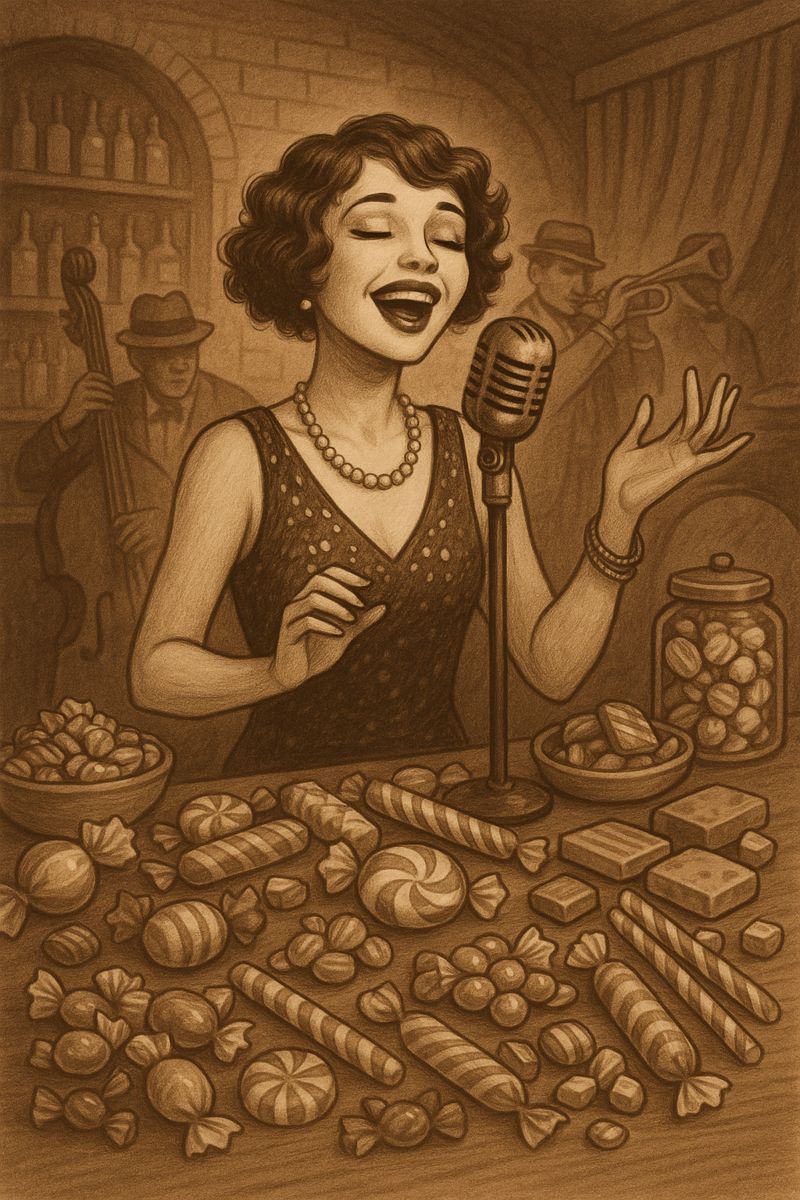
The Candy That Stayed With Us
This collection brings together candies that survived Prohibition, the Great Depression, wars, and decades of changing tastes, yet remain instantly recognizable today. One bite can spark a memory. One wrapper can tell a story. And sometimes, the sweetest things from the past are the ones worth sharing again.
So step inside, leave the modern world at the door, and enjoy the sweet side of history. Because even in the age of speakeasies and secrets, candy was always meant to be shared.
Introduced in 1922, Abba-Zaba is a chewy taffy bar with a bold peanut butter center that’s been fueling sweet tooths for over a century. It’s a West Coast classic with unmistakable flavor and old-school attitude.
First made in 1921, Baby Ruth combines peanuts, caramel, and chocolate into one of America’s most iconic candy bars. Popular through the Roaring ’20s, it became a snack legend during baseball’s golden age.
Dating back to 1912, Bonomo Turkish Taffy is known for its unique, pull-and-snap texture. It was famously enjoyed by bending, breaking, and sharing, long before sharing was a trend.
Introduced in the 1930s, Boston Baked Beans candy features crunchy peanuts coated in a sweet, candy shell. Despite the name, there are no beans. Just classic Americana fun.
Created in the 1920s, Bun Bars feature chewy nougat topped with chocolate and peanuts. They’re a lesser-known but deeply nostalgic favorite from the Prohibition era.
Invented in 1922, Charleston Chew is a chewy vanilla, strawberry, or chocolate nougat bar coated in chocolate. It became famous for being frozen, snapped, and shared.
First introduced in the 1930s, Chick-O-Stick blends coconut, peanut butter, and toasted crunch into a uniquely textured treat. It’s often compared to a Butterfinger, but with a twist.
Created in 1917, the Clark Bar combines crispy peanut butter and chocolate. Its bold flavor made it a favorite through World War I, Prohibition, and beyond.
First made in 1917, Goldenberg’s Peanut Chews pack roasted peanuts and chewy molasses into a chocolate-coated bar. Originally marketed as an energy snack, they became a Pennsylvania classic
Introduced in 1893, Good & Plenty is America’s oldest branded candy. Its pink-and-white capsules hide chewy black licorice, making it a true turn-of-the-century original.
Horehound candy dates back to the 19th century and was originally valued for its herbal properties. With its bold, bittersweet flavor, it’s one of America’s earliest traditional hard candies.
Believed to originate in the late 1800s, Circus Peanuts are banana-flavored marshmallow candies shaped like peanuts. They’re quirky, colorful, and unmistakably nostalgic.
Introduced in 1928, Milk Duds feature chewy caramel coated in chocolate. Originally meant to be perfectly round “caramel balls,” their imperfect shape became part of the charm.
Created in 1920, Mounds pairs sweet coconut filling with rich dark chocolate. Its simple recipe and bold flavor made it a lasting classic of the Prohibition era.
First produced in 1847, NECCO Wafers are one of America’s oldest candies. These pastel discs were famously carried by soldiers during the Civil War and beyond.
Introduced in 1932 during the Great Depression, PayDay skips chocolate and stacks peanuts, caramel, and nougat instead. It was designed to be filling, affordable, and satisfying.
Dating back to 1893, Reed’s Butterscotch is known for its smooth, buttery flavor and classic gold wrappers. It’s a true old-fashioned candy counter staple.
First appearing in the 1920s, Slo Poke is a long-lasting caramel hard candy meant to be enjoyed slowly. Its name says it all; no rushing this classic.
Introduced in 1930, Zagnut combines coconut, peanut butter, and crunchy texture without chocolate. It became popular during the Depression as an affordable, filling treat.
First made in 1920, the Zero Bar features nougat, caramel, and peanuts coated in white fudge. Its bold look and sweet flavor made it stand out from the start.
Gift Sets with Vintage Candy, Snacks and Soda
-
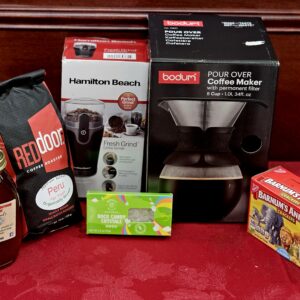
Speakeasy Brew Set
From: $145.00 Select options -
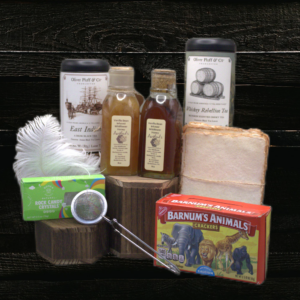
Colonial Tea Contraband Collection
From: $95.00 Select options -
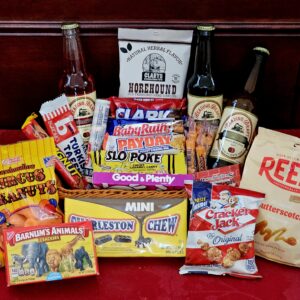
Sugarfoot’s Sweet Contraband Gift Basket
From: $80.00 Select options -
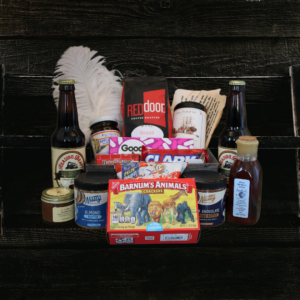
Ultimate Prohibition Contraband Collection
$150.00 Select options